

Part 1· ~1 min read
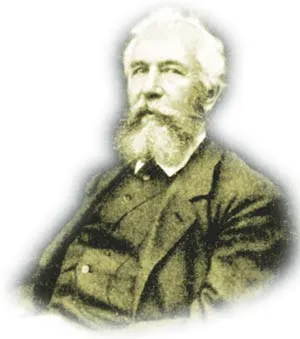
Haeckel, ErnstThe famous evolutionist biologist Ernst Haeckel was a close friend and supporter of Darwin. To support the theory of evolution, he put forward the theory of recapitulation, which maintained that the embryos of…
Claims and Answers
The famous evolutionist biologist Ernst Haeckel was a close friend and supporter of Darwin. To support the theory of evolution, he put forward the theory of recapitulation, which maintained that the embryos of…
Part 1· ~1 min read
Haeckel, ErnstThe famous evolutionist biologist Ernst Haeckel was a close friend and supporter of Darwin. To support the theory of evolution, he put forward the theory of recapitulation, which maintained that the embryos of…
Part 2· ~1 min read
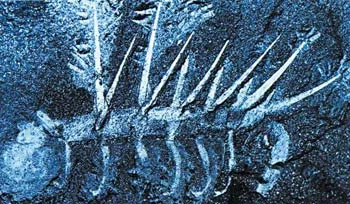
HallucigeniaThis is one of the life forms that emerged suddenly in the Cambrian Period in its perfect form. (See Cambrian Period .) This Cambrian fossil has sharp spines to protect it against attack—and evolutionists are unable…
Part 3· ~1 min read
Heterotrophic view, theThe heterotrophic view is one of the most researched theses regarding the emergence of the first life. According to this view, a consuming life form absorbs from its outside environment the organic molecules it needs…
Part 4· ~1 min read
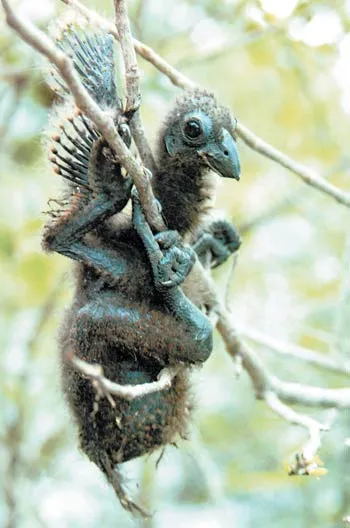
Hoatzin Bird, theThe points on which evolutionist base their portrayal of Archaeopteryx as a transitional form are its skeleton, which resembles that of dinosaurs, the claws on its wings, and the teeth in its mouth. (See…
Part 5· ~1 min read
Homo AntecessorThe most astonishing fact to tear up the imaginary tree of life by its very roots is the way that Homo sapiens dates back to unexpectedly early times. Paleontological findings show that human beings identical to the…
Part 6· ~3 min read
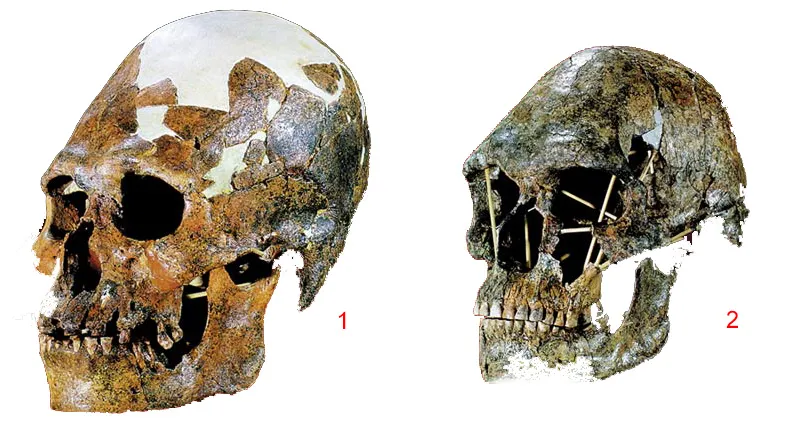
Homo ErectusEvolutionists regard the classification Homo erectus, meaning “upright-walking human,” as the most primitive species on the fictitious human family tree. They have had to separate these humans from other, earlier…
Part 7· ~1 min read
Homo ergasterSome of the fossils described as Homo erectus (“upright-walking human”) are classified as Homo ergaster by certain evolutionists. There is no agreement among evolutionists regarding this second classification. (See…
Part 8· ~3 min read
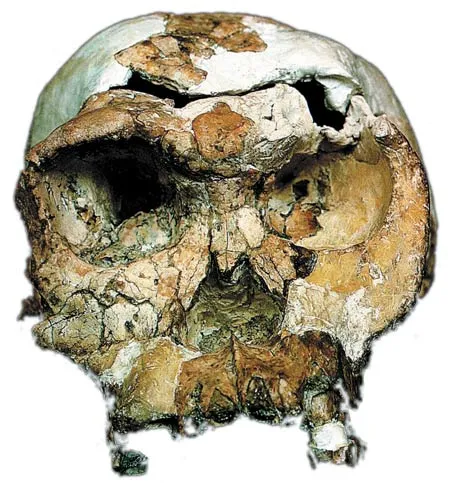
Homo habilisThe fact that Australopithecus is nearly identical to chimpanzees in terms of their skull and skeletal structures, plus the emergence of concrete evidence that demolished the claim that these creatures walked…
Part 9· ~1 min read
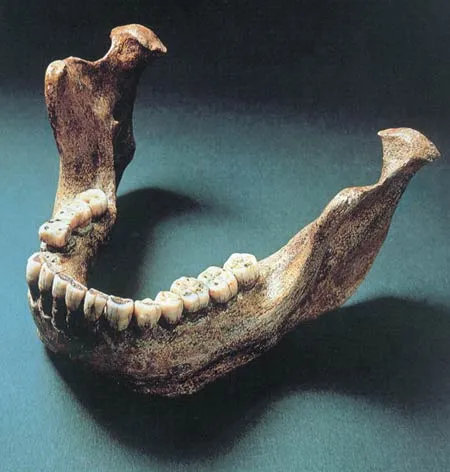
Homo heidelbergensisThe classification referred to as H. heidelbergensis in evolutionist literature is actually the same as Homo sapiens archaic. The reason why these two separate names are used to describe the same human race is the…
Part 10· ~2 min read
Homo rudolfensisThis is the Latin name given to a few fossil fragments discovered in 1972. Since these were unearthed near the River Rudolf in Kenya, the species they were assumed to represent was given the name Homo rudolfensis.…
Part 11· ~2 min read
Homo sapiensThe history of Homo sapiens, which represents modern man on the imaginary evolutionary family tree, goes back much further than evolutionists expected. Paleontological findings indicate that human beings identical to…
Part 12· ~1 min read
Homo sapiens archaicHomo sapiens archaic represents the rung before modern man on the illusory evolutionary ladder. In fact, evolutionists have nothing to say about these people because they are distinguished from modern man only by…
Part 13· ~2 min read
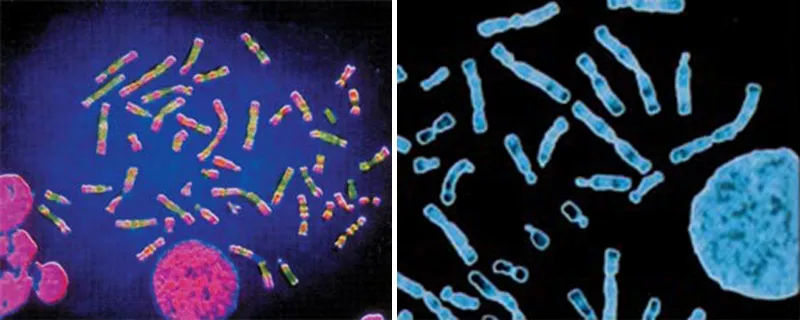
Homology (Common origins)In biology, structural similarities among different living species are referred to as homologous. Evolutionists attempt to use these similarities as evidence for evolution. Pointing to homologous organs in different…
Part 14· ~2 min read
Homologous organsAnyone examining the different living species on Earth will observe that there are certain similar organs and characteristics among species. This phenomenon has attracted the notice of biologists ever since the 18th…
Part 15· ~2 min read
“Hopeful Monster” theory, theThe “Hopeful Monster” theory claims that one day, a reptile laid an egg and that quite by chance, a creature with brown fur hatched out of it. According to evolutionists, when this mammal grew up, it found a mate…
Part 16· ~1 min read
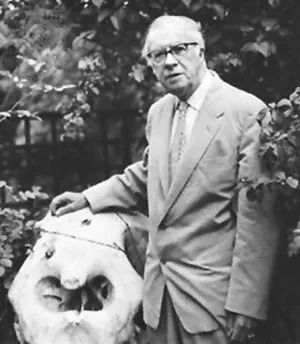
Huxley, JulianIn his 1958 book Religion without Revelation, the zoologist Julian Huxley, one of the architects of neo-Darwinism, described it not as a scientific theory, but as a ideological dogma. (See Neo-Darwinism .)
Part 17· ~1 min read
HypothesisA hypothesis is a temporary solution or explanation proposed for a problem raised by various facts or phenomena. In order for a good hypothesis to be confirmed, it needs to be open to experiment and observation,…