

Part 1· ~1 min read
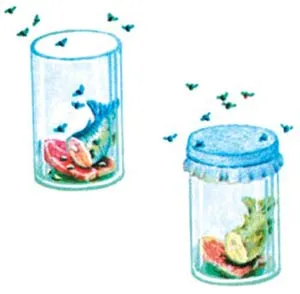
AbiogenesisThis is the theory that lifeless matter came together to form a living organism. Also known as the theory of Spontaneous Generation, this idea has persisted since the Middle Ages. (Also see Spontaneous generation .)
Claims and Answers
This is the theory that lifeless matter came together to form a living organism. Also known as the theory of Spontaneous Generation, this idea has persisted since the Middle Ages. (Also see Spontaneous generation .)
Part 1· ~1 min read
AbiogenesisThis is the theory that lifeless matter came together to form a living organism. Also known as the theory of Spontaneous Generation, this idea has persisted since the Middle Ages. (Also see Spontaneous generation .)
Part 2· ~3 min read
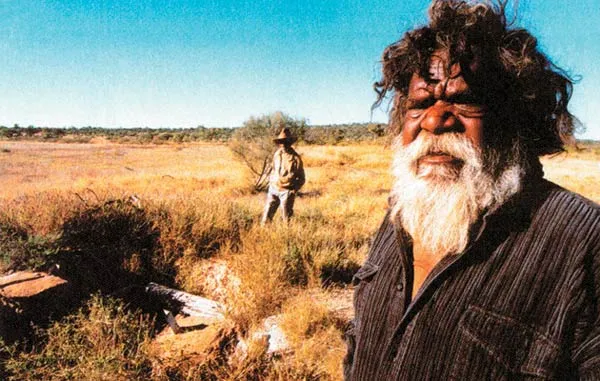
Aboriginal peoplesBefore Europeans discovered Australia, the only people there were Aboriginals, the descendents of groups who migrated to the north coast of Australia from Southeast Asia 50,000 years ago and who, in time, spread to…
Part 3· ~1 min read
AdaptationThis is the ability that allows a creature to survive and reproduce in its environment.
Part 4· ~1 min read
AL 288-1 (The fossil record of Australopithecus afarensis)(See; The Lucy Deceit. )
Part 5· ~1 min read
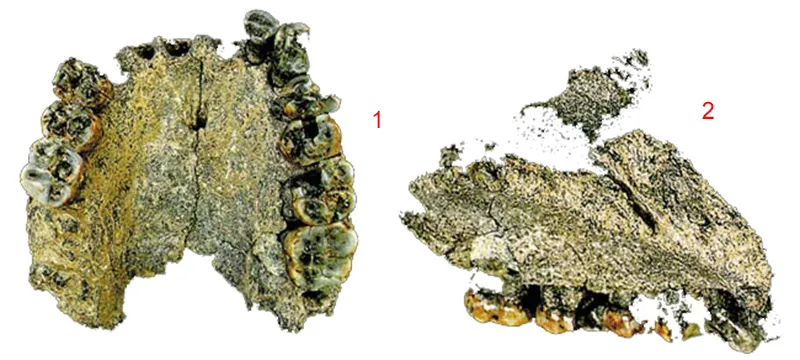
AL 666-1 (The fossil record of Homo sapien)This is the fossil of a jawbone found in 1994 in Hadar, Ethiopia, together with fossils of Australopithecus afarensis. The fossil was dated to 2.3 million years old and displayed characteristics belonging to Homo…
Part 6· ~2 min read
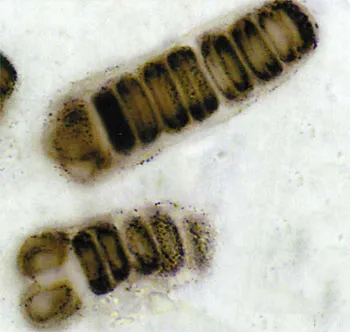
AlgaeAlgae are photosynthesizing organisms that live everywhere: in both fresh and salt water, desert sand, underground hot springs, and even under snow and ice. They vary in shape and size, from single-celled organisms…
Part 7· ~6 min read
AltruismThe mechanism of natural selection that Darwin proposed foresees stronger living things and those best adapting to the natural conditions in their geographical location surviving and continuing down the generations,…
Part 8· ~3 min read
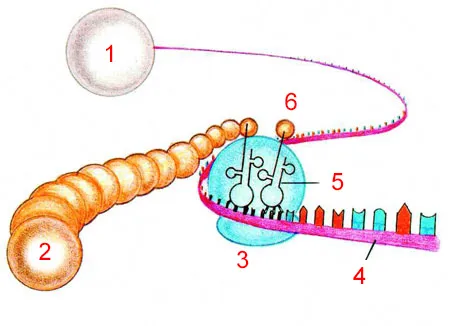
Amino acidsAmino acids are molecules, the building blocks of the proteins that make up living cells. More than 200 different amino acids are found in nature, but of these, only 20 kinds make up the protein in living creatures.…
Part 9· ~3 min read
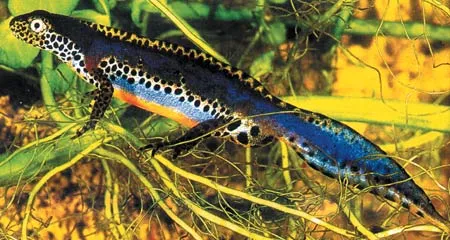
AmphibiansFrogs, toads, salamanders and caecilians are all amphibians, scale-less vertebrates able to live on both land and in the water. There are about 4,000 different species.
Part 10· ~3 min read
Analogous organSome organs superficially appear to be similar and perform the same function. For example, their wings allow butterflies and birds to fly; and both cats and beetles use their legs to walk. But these creatures have…
Part 11· ~1 min read
AnalogyEvolutionists try to establish an ancestor-descendent relationship between living creatures on the basis of certain perceived structural similarities between them. But some creatures have organs that perform a…
Part 12· ~1 min read
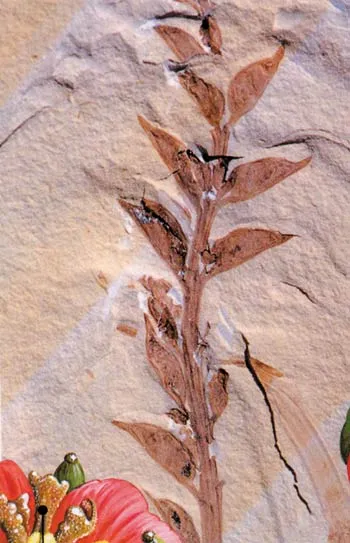
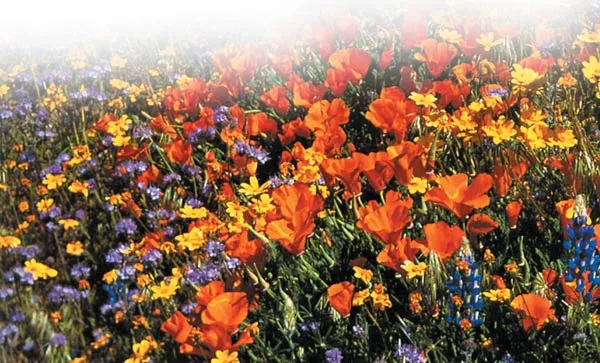
AngiospermThis is a name given to the most common flowering plants, of which there are more than 230.000 species that grow in many environments, even on ocean and in deserts.
Part 13· ~1 min read
Inorganic EvolutionInorganic evolution attempts to explain by chance processes the formation of the world and the universe before the appearance of living things.
Part 14· ~3 min read
Anthropic Principle, theOne of the several claims demolished by 20th-century science is that of chance. Research conducted since the 1960s has shown that all the physical balances in the solar system—indeed, in the entire universe—have been…
Part 15· ~1 min read
AnthropologyAnthropology is the science that investigates human origins together with its biological, social and cultural characteristics. This science began with the impetus to learn about human history; in fact, its Greek…
Part 16· ~3 min read
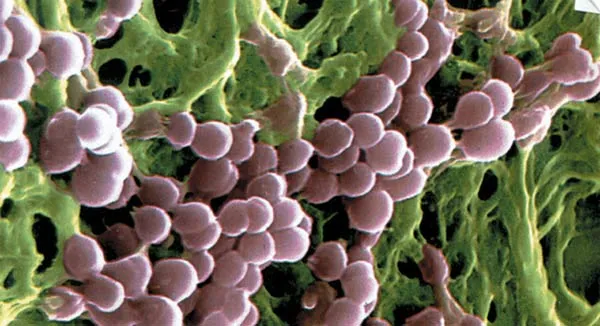
Antibiotic resistanceWhen any species of bacteria are constantly exposed to a given antibiotic, later generations of them begin to show resistance to it—and eventually that antibiotic has no further effect on them. Evolutionists assume…
Part 17· ~5 min read
Ape-Human Genetic-Similarity Falsehood, theDrawing up the human gene map within the framework of the Human Genome project was a major scientific development. However, evolutionist publications have distorted a number of the project’s results. It is claimed…
Part 18· ~1 min read
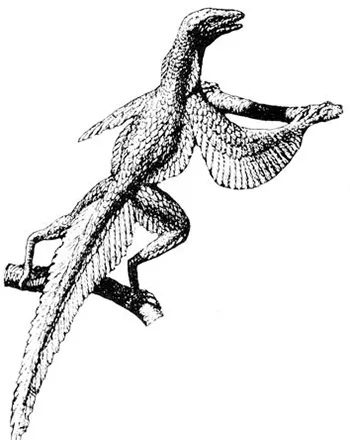
Arboreal TheoryThis is one of two evolutionist theories regarding how reptiles—a terrestrial life form—began to fly. According to the arboreal theory, the ancestors of birds were tree-dwelling reptiles that gradually developed…
Part 19· ~6 min read
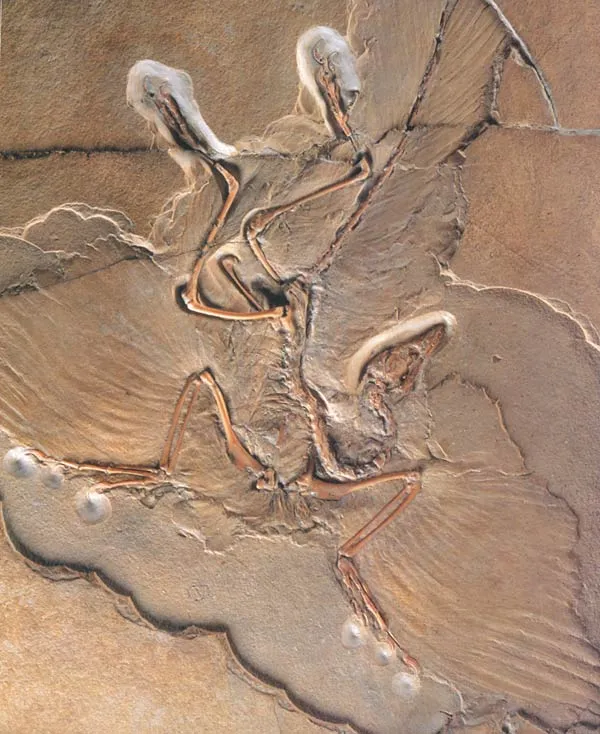
ArchaeopteryxThis extinct species of bird lived 140 million years ago, during the Jurassic period. The fact that Archaeopteryx had some characteristics that differ from those of modern birds led evolutionists to suppose that it…
Part 20· ~1 min read
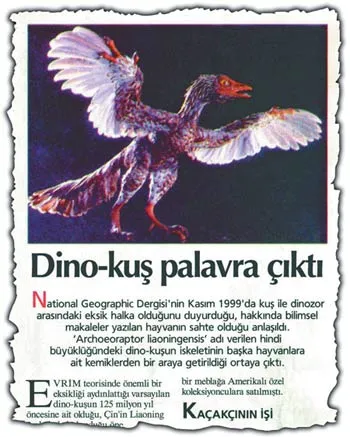
ArchaeoraptorThis fossil is said to have been discovered in China in 2001, but was actually a false construction. The hoax was detected through detailed analysis by researchers, who published the results in Nature magazine:
Part 21· ~2 min read
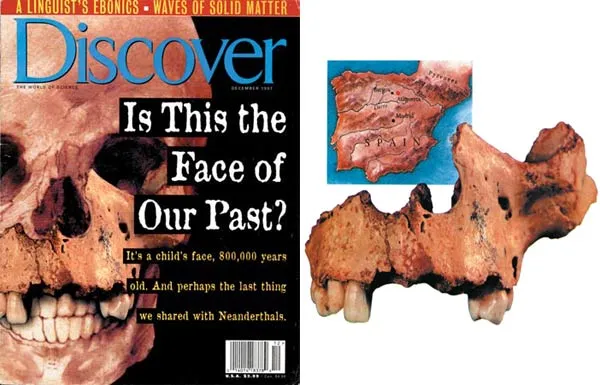
Atapuerca Skull, theIn 1995, three Spanish paleontologists from the University of Madrid found a fossil in the Gran Dolina cave in Spain’s Atapuerca region. It was a section of the facial bones of an 11 year-old child that is identical…
Part 22· ~3 min read
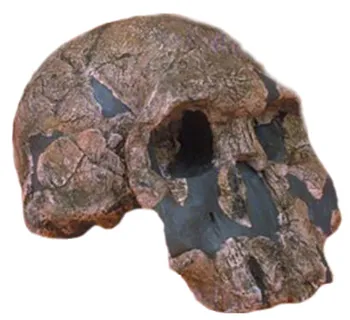
AustralopithecusThis is the first genus of human being in the imaginary evolutionist schema; the name means “southern ape.” This creature is thought to have first appeared in Africa 4 million years ago and lived until one million…
Part 23· ~1 min read
Autotrophy Nonsense, theSince all living organisms need food to survive, then the first living thing must have had to make its own food. According to this view, the first living thing capable of producing its own nourishment was an…