


Biomimetics: Technology Inspired by Nature
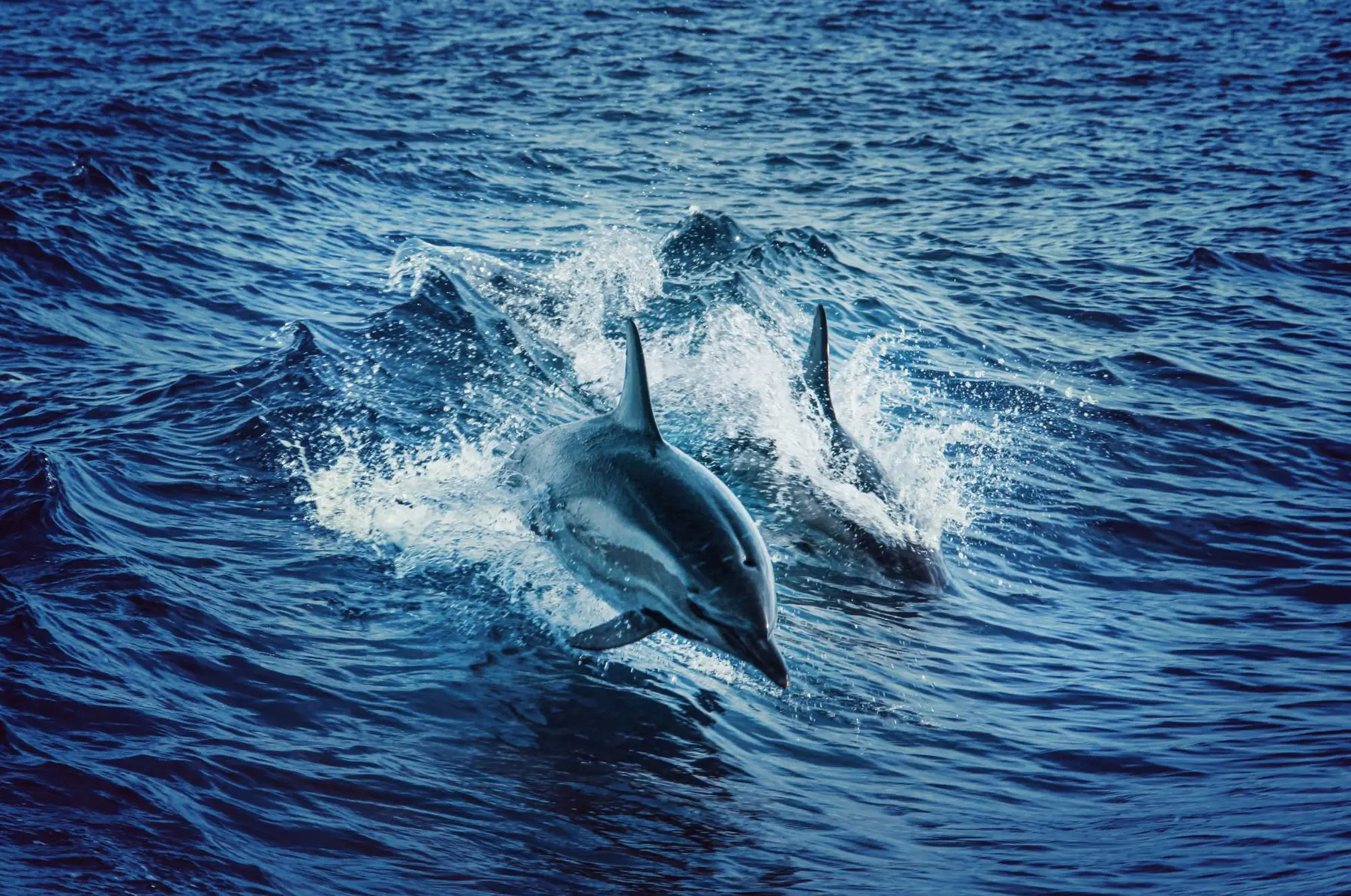
Dolphin Skin Cuts Fuel Use on ShipsA propeller coated to mimic dolphin skin reduced fuel consumption on a giant crude carrier by 2%.
Read →
Science, examined
How did it all begin? In the language of fossils, the cell and genetic information.
Sections
All of our articles are gathered into four main sections, each divided into topics and articles.
The latest discoveries in paleontology, genetics and biochemistry — and what they mean.
Latest articles

The structure of living things, the complexity of the cell and what the fossil record reveals.
Latest articles

Claims made in the media and in textbooks, examined in the light of scientific facts.
Latest articles
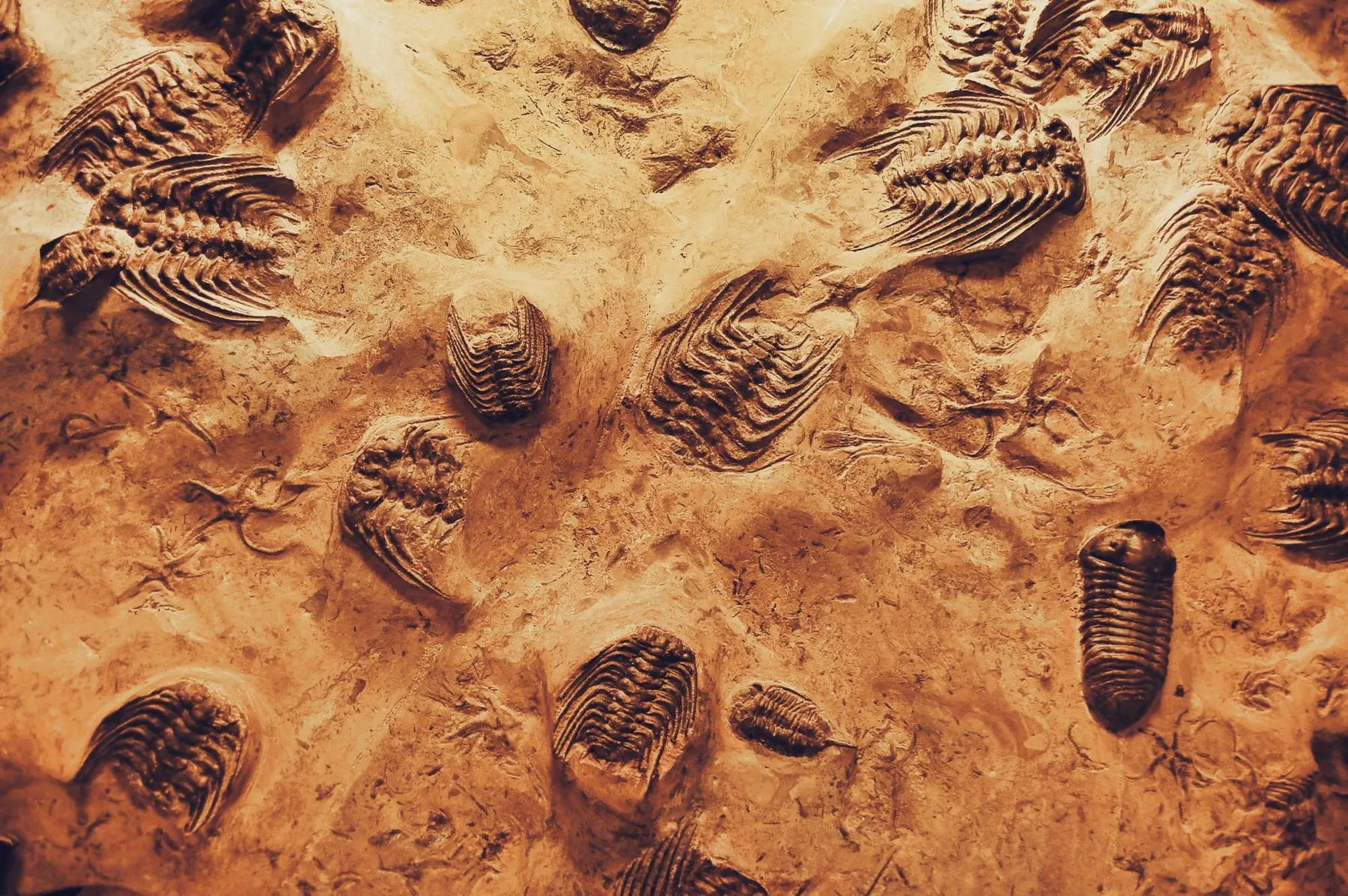
The historical impact of one theory on society, politics and human life.
Latest articles
Fossil collection
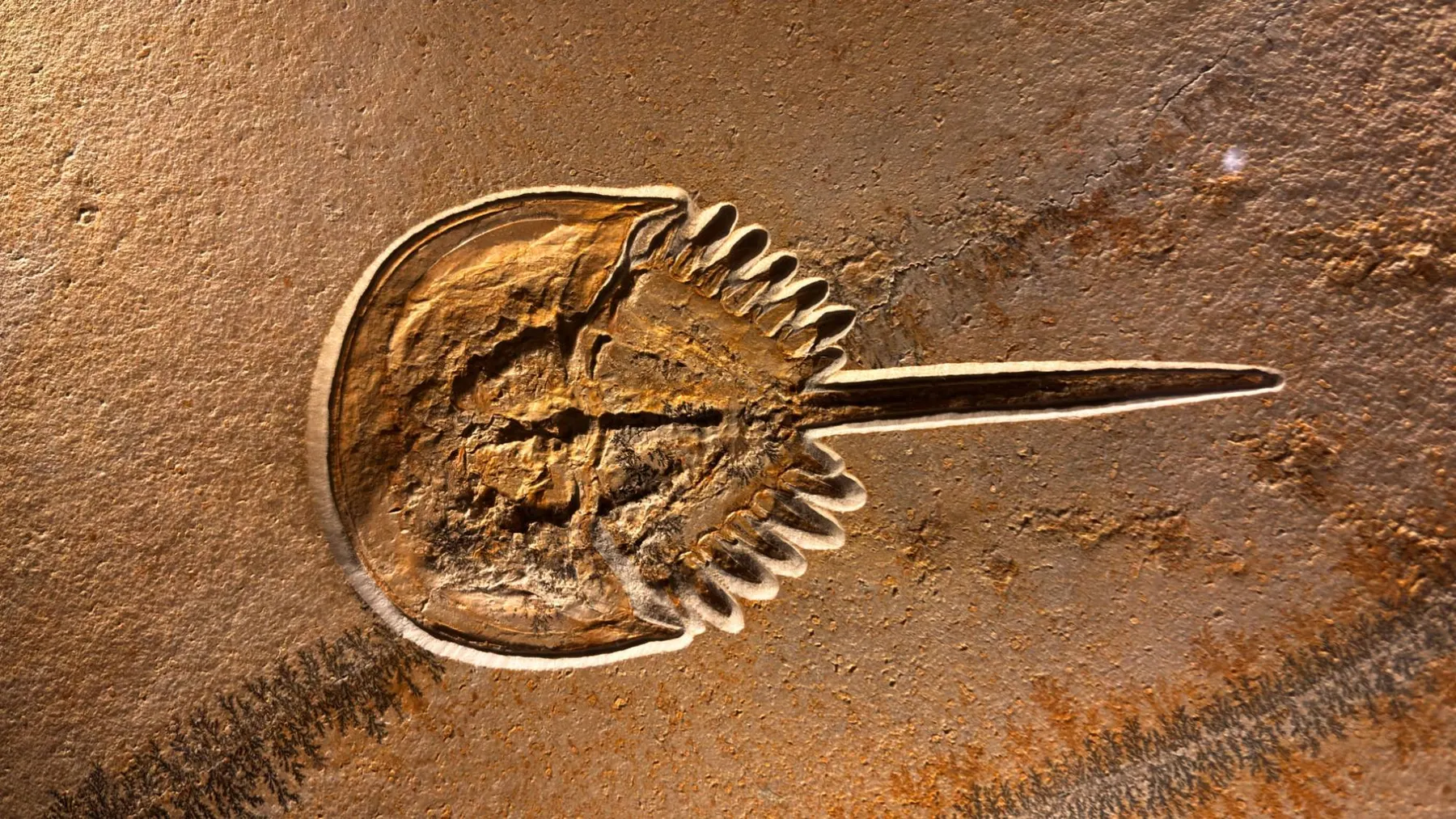
Fossils are the most direct witnesses of the past. Below are schematic drawings based on actual specimens — photographs of real fossils are in the Fossil Archive further down.
Trilobita
Trilobites
Anomalocaris canadensis
Anomalocaris
Opabinia regalis
Opabinia
Crinoidea
Sea lilies
Ammonoidea
Ammonites
Polypodiopsida
Ferns
Fossil archive
Genuine fossils found around the world — each with its location and age. Click a photo to enlarge it.
Science news
New findings published in scientific journals, and what they tell us.
A propeller coated to mimic dolphin skin reduced fuel consumption on a giant crude carrier by 2%.
Read →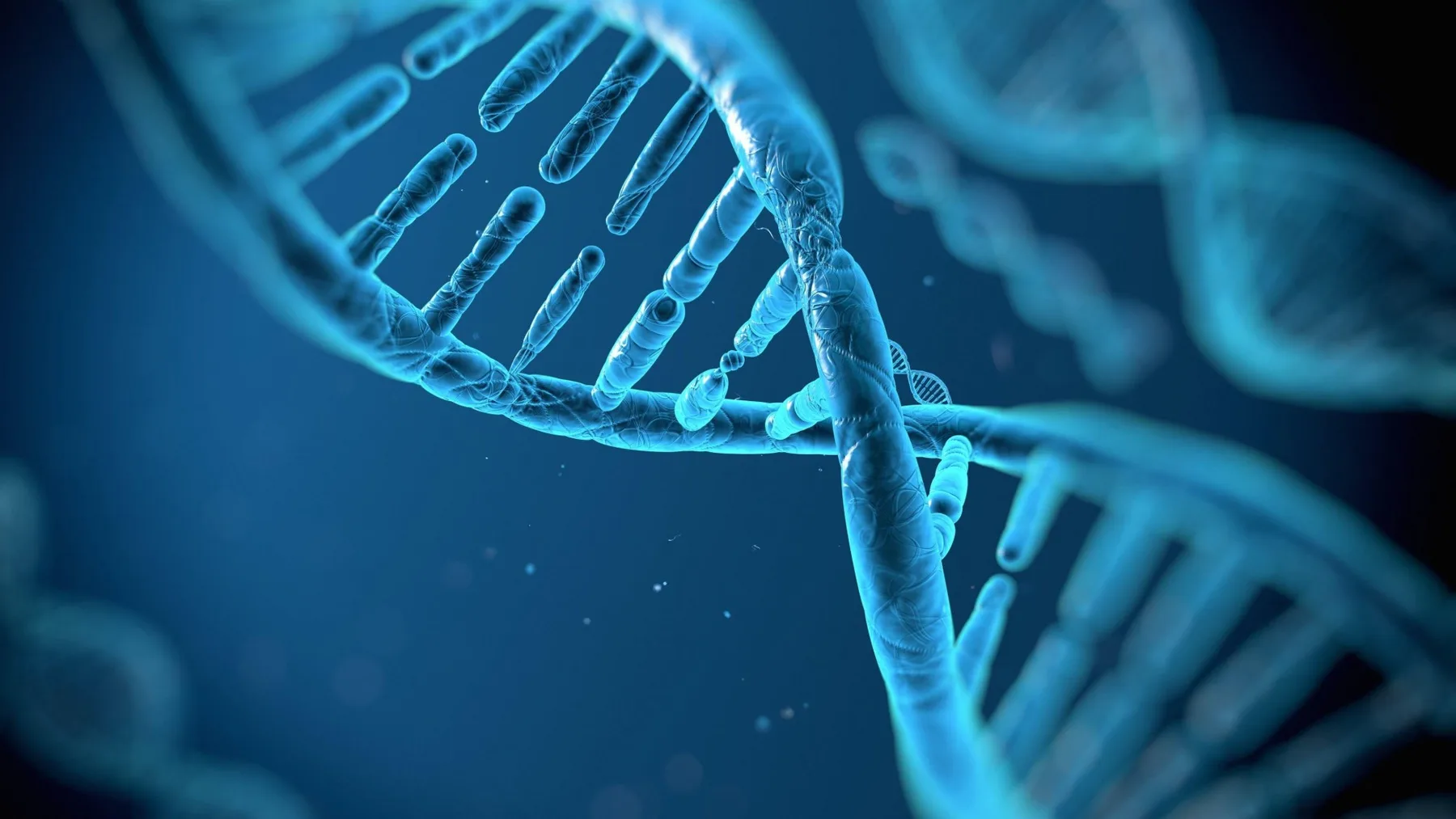
DNA does not carry only a protein code: regulatory and architectural codes are hidden in the very same sequences.
Read →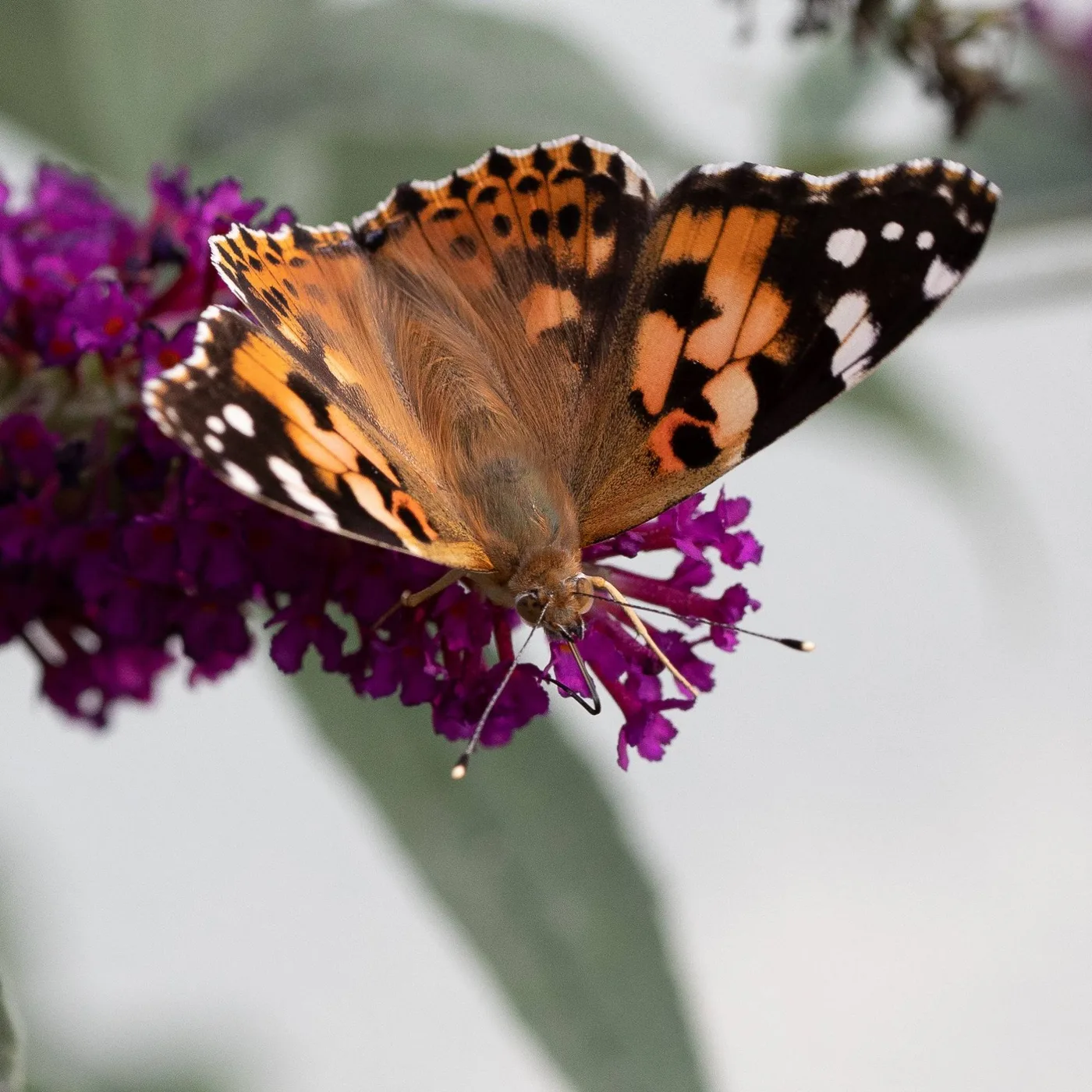
Painted lady butterflies fly from Europe to Africa, and from there across the Atlantic Ocean to South America.
Read →
Our approach
“Science begins with asking questions. We don't run from questions either.”
We cite our sources
Every claim is referenced to scientific journals, books and research.
We separate fact from interpretation
We show the observed fact and how it is interpreted, side by side.
We ask questions
Rather than handing out ready-made answers, we invite the reader to think.