

Part 1· ~1 min read
IntroductionAccording to the theory of evolution, living things came into existence by means of coincidences, and developed further as a consequence of coincidental effects. Approximately 3. billion years ago, when no living…
The Real Origin of Life
According to the theory of evolution, living things came into existence by means of coincidences, and developed further as a consequence of coincidental effects. Approximately 3. billion years ago, when no living…
Part 1· ~1 min read
IntroductionAccording to the theory of evolution, living things came into existence by means of coincidences, and developed further as a consequence of coincidental effects. Approximately 3. billion years ago, when no living…
Part 2· ~1 min read
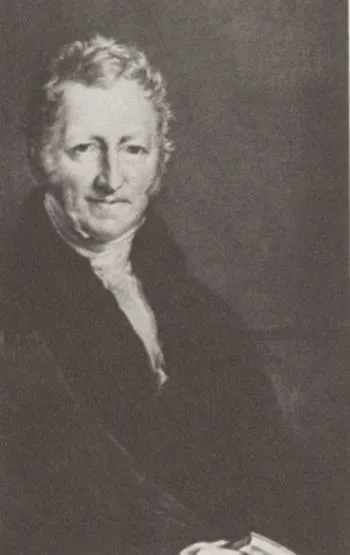
Natural SelectionThe concept of natural selection was the basis of Darwinism. This assertion is stressed even in the title of the book in which Darwin proposed his theory: The Origin of Species, by means of Natural Selection…
Part 3· ~2 min read
A Struggle for SurvivalThe essential assumption of the theory of natural selection holds that there is a fierce struggle for survival in nature, and every living thing cares only for itself. At the time Darwin proposed this theory, the…
Part 4· ~1 min read
Observation and ExperimentsApart from the theoretical weaknesses mentioned above, the theory of evolution by natural selection comes up against a fundamental impasse when faced with concrete scientific findings. The scientific value of a…
Part 5· ~4 min read
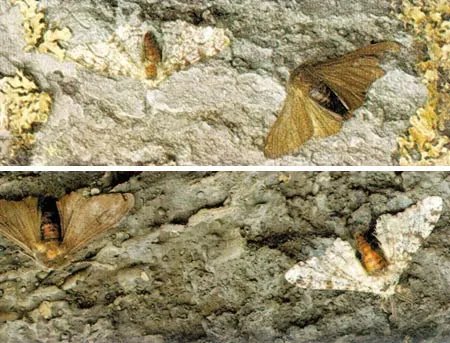
The True Story of Industrial MelanismWhen evolutionist sources are examined, one inevitably sees that the example of moths in England during the Industrial Revolution is cited as an example of evolution by natural selection. This is put forward as the…
Part 6· ~2 min read
Why Natural Selection Cannot Explain ComplexityAs we showed at the beginning, the greatest problem for the theory of evolution by natural selection, is that new organs or traits cannot emerge in living things through natural selection. A species' genetic data…
Part 7· ~6 min read
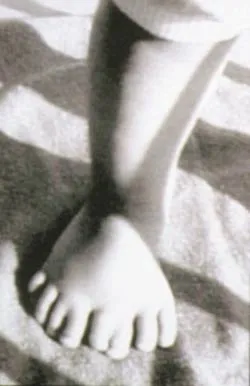
MutationsMutations are defined as breaks or replacements taking place in the DNA molecule, which is found in the nuclei of the cells of a living organism and which contains all its genetic information. These breaks or…
Part 8· ~5 min read
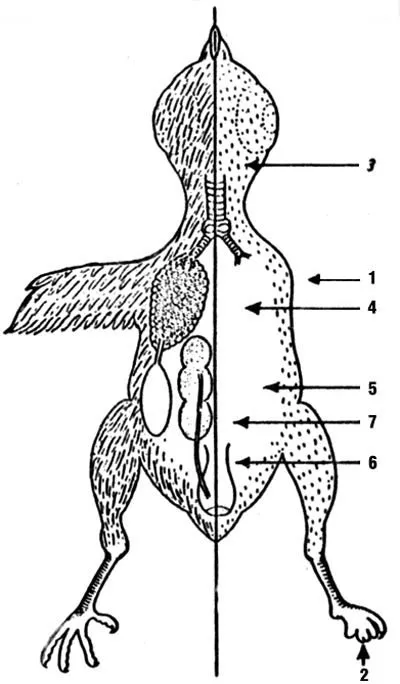
The Pleiotropic EffectThe most important proof that mutations lead only to damage, is the process of genetic coding. Almost all of the genes in a living thing carry more than one piece of information. For instance, one gene may control…