Reading time: ~3 min read
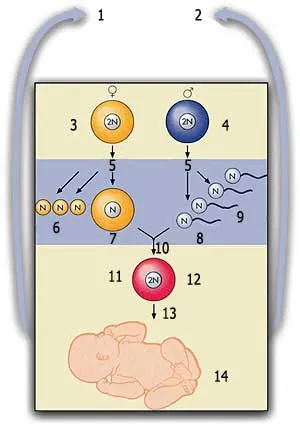
The structure resulting from an egg and a sperm combining together is given the name zygote and consists of a single cell. The first zygote has to multiply in order to assume human size and shape. The cell begins dividing as if following a computer program, with a high level of intention and purpose. In the zygote, the DNA replicates itself. Once the amount of DNA in the cell has been doubled, the cell immediately begins dividing. One of these doubled DNA strands goes to one cell, while the other is forwarded to the second. Now that the cell has been divided into two, division continues until a baby is fully formed inside the mother's body. This process is repeated so many times that the cells must divide trillions of times before assuming the form of an embryo.
Development of the complete embryo takes place in a coordinated manner by way of the messages that one cell receives from and sends to other cells. The way cells can work in harmony with one another arises from a continuous molecular dialogue among them, in the light of genetic instructions that form within the baby's genetic program from the first day that the germ cells from the parents come together. After this, every time a cell divides and two new cells are formed, an exact copy of all the genes is produced, and this copy is transmitted to every new cell. For that reason, all the cells in your body possess exactly the same genes and contain the whole of the genetic program. 104
Although the cells in your body are in different locations (the kidneys, liver or arm, for example), they carry the same information. But different types of cell use different sections of the same data bank, performing different tasks in the light of those instructions. Just as in computers, the original of the program is not taken outside the main processing center--in this case, the DNA. Instead, new copies of the DNA is produced and are taken to wherever they are required.
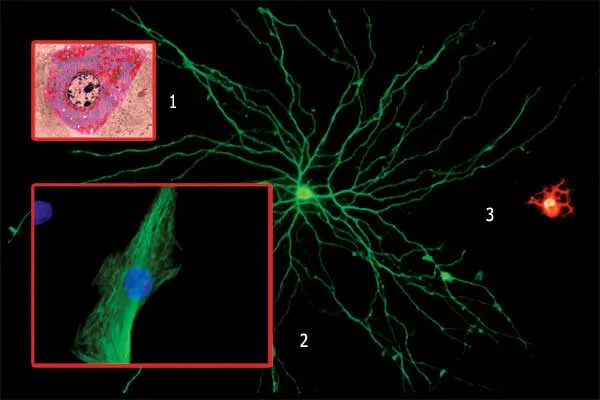
Human cells vary greatly in their structure. For instance, in addition to having different shapes, liver cells, muscle cells and nerve cells also produce different proteins and carry out very different biochemical processes. But they all have just one single variety of DNA inherited from the original fertilized egg. Every cell uses different regions of the total information in that DNA. If cells did not use different parts of the identical genetic information and multiplied in the form of just one type of cell type, a human being might develop as a mass of bone or a collection of skin. However, as revealed by Allah, the Compassionate and Merciful, in the verse "We created man in the finest mould"(Surat at-Tin, 4), He has created us as living things with esthetic, symmetrical and superior features.