

Part 1· ~1 min read
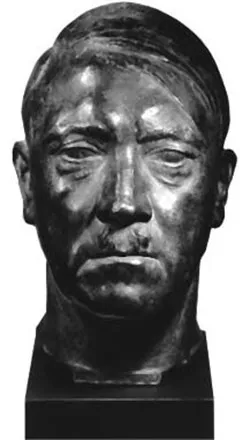
IntroductionOne of the common attitudes all fascist regimes have possessed is that concerning religion. At first glance, it would appear that all fascist regimes have supported the religion of their peoples. But, the fascists…
Social Darwinism
One of the common attitudes all fascist regimes have possessed is that concerning religion. At first glance, it would appear that all fascist regimes have supported the religion of their peoples. But, the fascists…
Part 1· ~1 min read
IntroductionOne of the common attitudes all fascist regimes have possessed is that concerning religion. At first glance, it would appear that all fascist regimes have supported the religion of their peoples. But, the fascists…
Part 2· ~3 min read
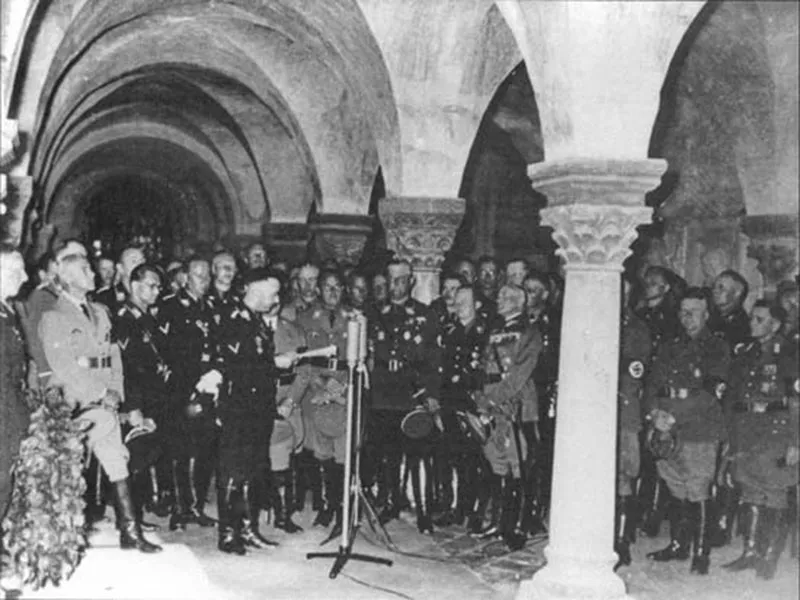
The Nazis' Hatred of ReligionWe have already examined the roots of Nazi ideology and its attitude to religion. As is shown in the examples we have considered, the Nazi ideology was perverse and opposed to all divine religions. The foundations of…
Part 3· ~4 min read
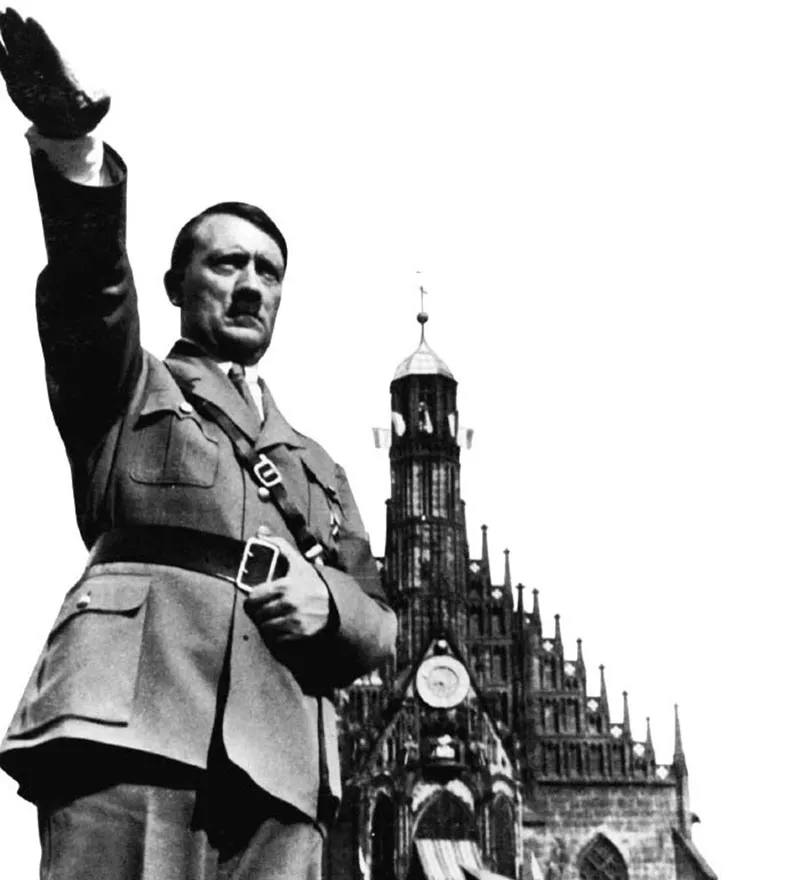
The "Racist Christianity" of the NazisAlthough ultimately opposed to religion, in practice, the Nazis behaved diplomatically towards it. Their real aim was to use religious organizations as a tool to achieve their ends. Hitler was a particular enemy of…
Part 4· ~2 min read
The True Meaning of the Nazis' Anti-SemitismIn order to understand the Nazis' religious ideas and policies, we must examine their fanatical hostility to the Jews and Judaism.
Part 5· ~2 min read
Fascism's Hypocritical Policy on ReligionHitler's hypocritical policy towards religion was not a method restricted to Nazism, but is a general characteristic of fascist regimes. Religion is merely used as a tool by fascist ideologues, because they realize…
Part 6· ~1 min read
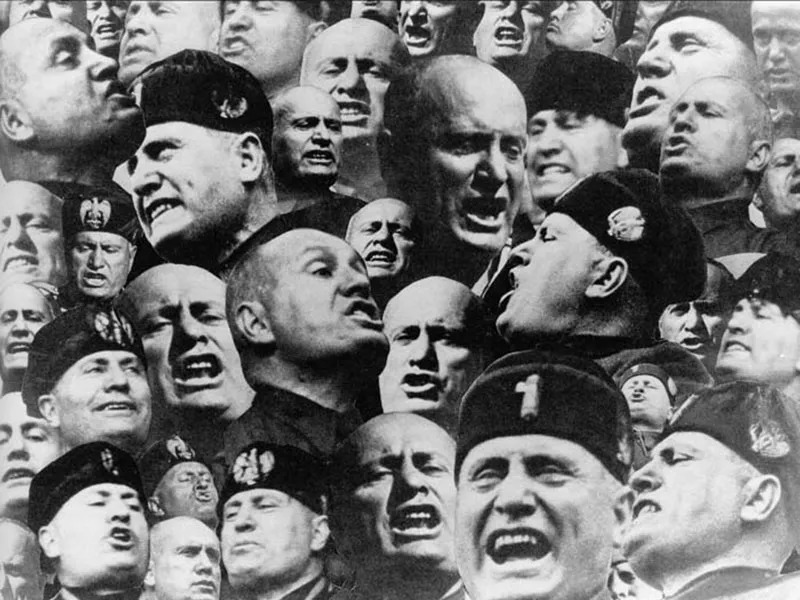
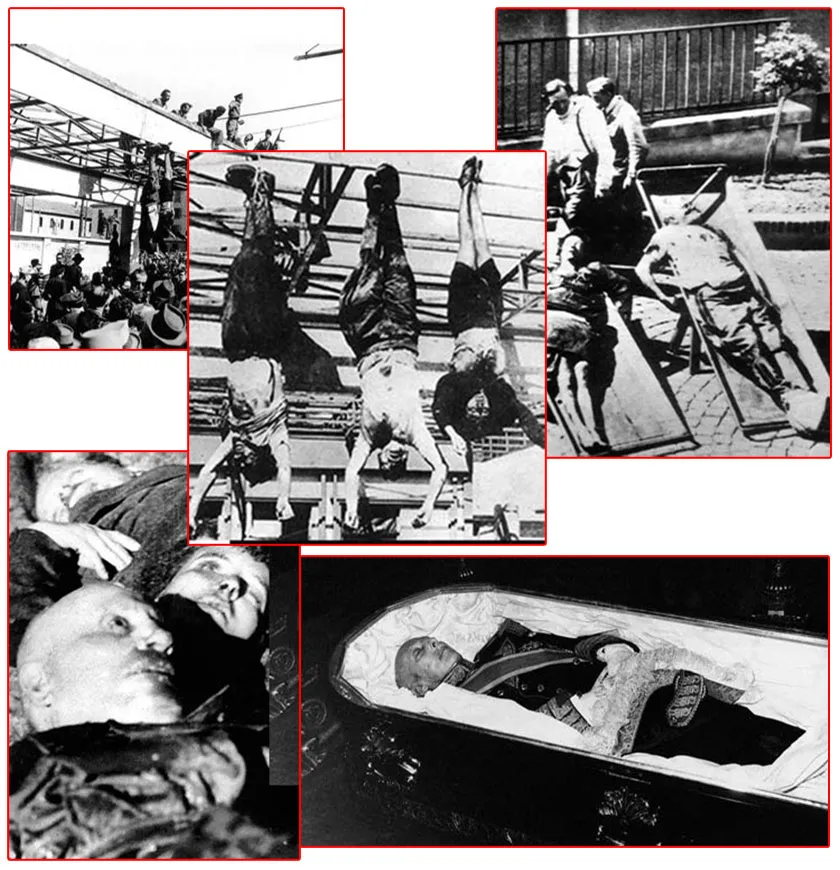
The Two Faces of MussoliniIn order to analyze the fascist character, the second example that must be considered after Nazis, is the Italian dictator Mussolini, the true originator of the concept of "fascism." When we consider his career, we…
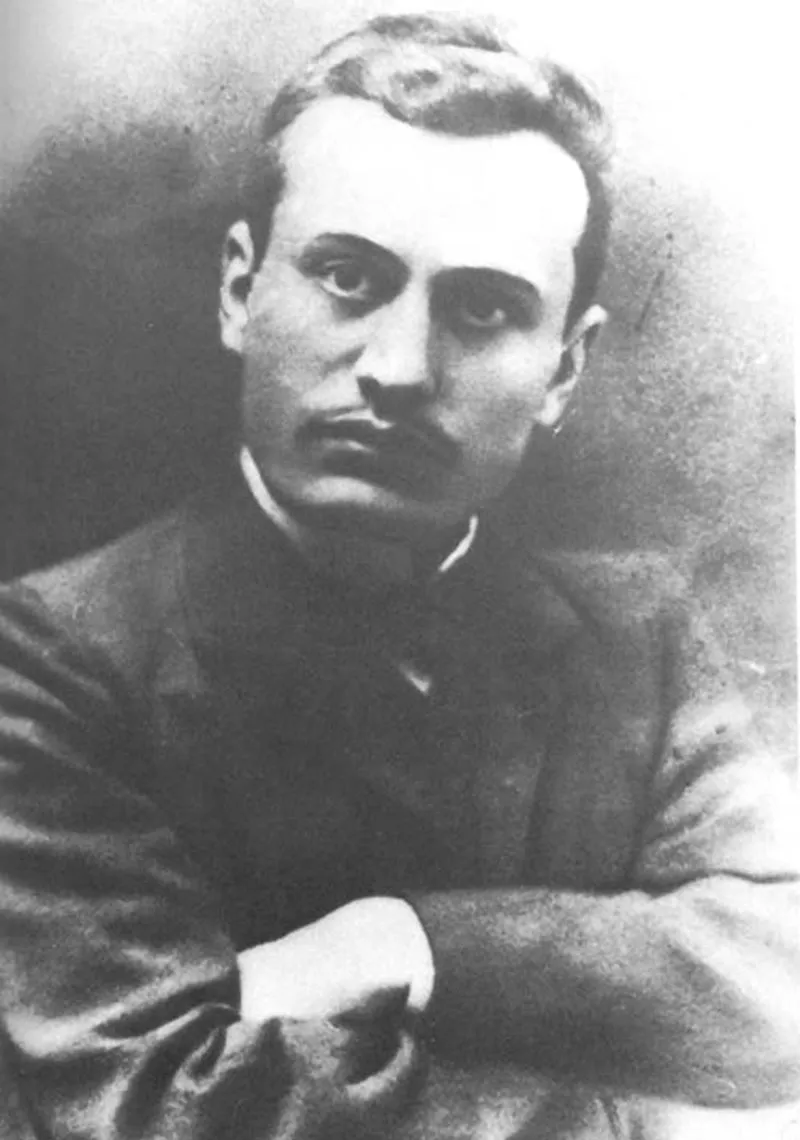
Part 7· ~3 min read
Mussolini's Communist YearsMussolini was born in a small village in 1883. His father was an avowed Marxist, an ideology he passed on to his son. According to the Oxford historian Denis Mack Smith, in his book Mussolini , "his father used to…
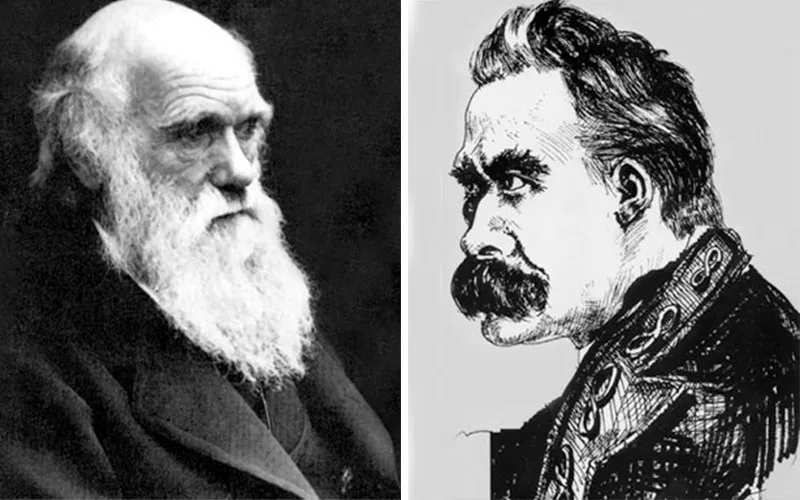
Part 8· ~2 min read
The Men Who Inspired Mussolini: Nietzsche and DarwinMussolini's devotion to communism was rooted in both his tendency to violence and personal psychological problems. Denis Mack Smith describes Mussolini's personality in these words:
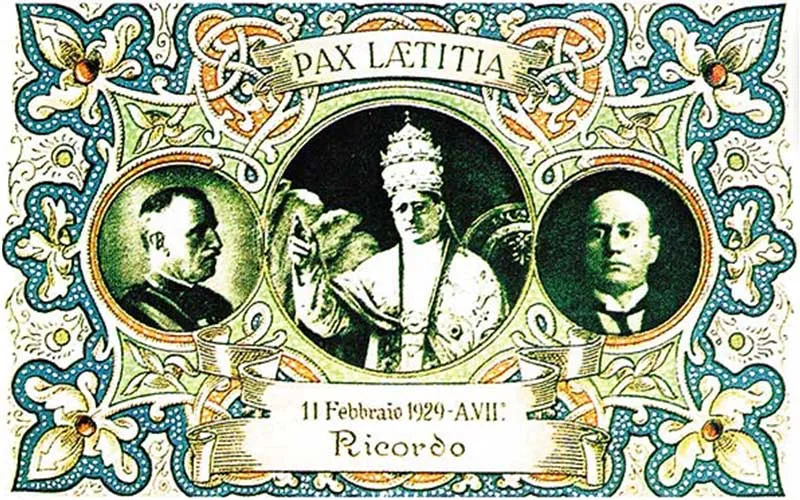
Part 9· ~5 min read
Mussolini's False PietyMussolini underwent a sudden personal change at the end of the 1910s. After having been a radical communist for so long, he then emerged as the leader of the ideology known as "fascism" as it set out on its way to…
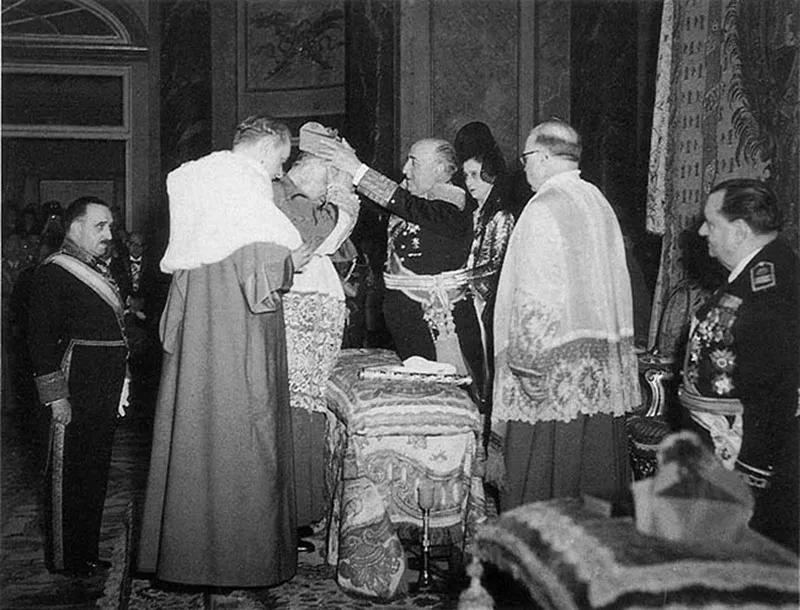
Part 10· ~6 min read
How Spanish Fascism Used ReligionAs we have seen, fascism is an ideology fanatically opposed to religion, but which may sometimes conceal its hatred for political reasons, and even present itself as actually committed to religion. The aim behind…
Part 11· ~8 min read
Fascist Morals Are the Opposite of Koranic MoralsIt is perfectly obvious that fascism has only ever led to bloodshed and suffering for mankind. The history of the 20th century is proof of this. But, despite this fact, there are still people in many parts of the…
Part 12· ~1 min read
ConclusionIn conclusion, when we examine the basis of fascism, we come to see a system of ethics that is the exact opposite of those virtues that are inherent in religion, such as love, affection, compassion, humility,…