

Reading time: ~5 min read
In recent years, various scientific research groups and major universities have been working on manufacturing micro-flight vehicles by imitating insects’ flight mechanisms. One of the most important of these is supported by the British-based Engineering and Physical Sciences Research Council and is playing a key role in the new aerial vehicles' development.27
Dr. Richard Bomphrey, from the Department of Zoology at the University of Oxford, says that the findings from analysis of the architecture of insects’ wings “will make it possible to aerodynamically engineer a new breed of surveillance vehicles that, because they're as small as insects and also fly like them, completely blend into their surroundings."
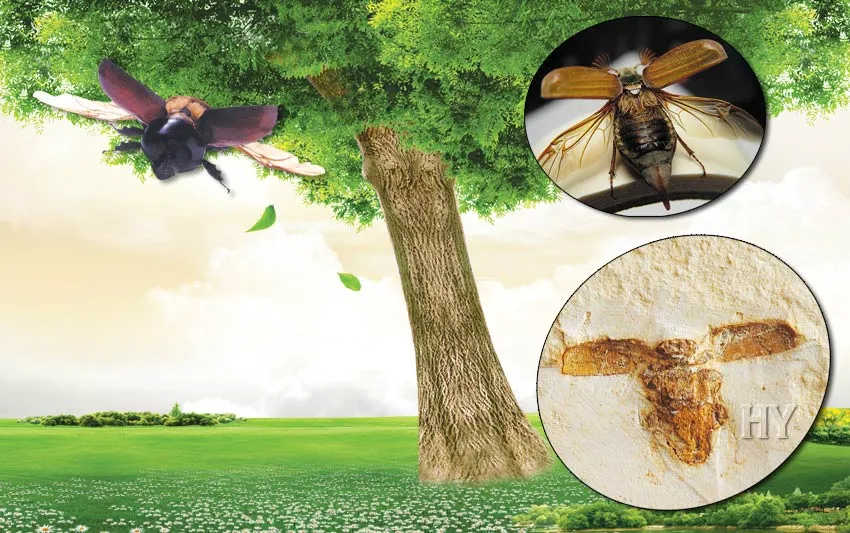
The research team uses cutting-edge computer modeling capabilities and the latest high-speed, high-resolution camera technology to investigate insect wing structure and performance. Key to the work is the calculation of air flow velocities around insect wings. This is achieved by placing insects in a wind tunnel, seeding the air with a light fog and illuminating the particles with pulsing laser light - a technique called Particle Image Velocimetry.28
According to Dr. Bomphery, different types of insect wing serve different purposes. “For instance,” he says, “bees are load-lifters, a predator such as a dragonfly is fast and maneuverable, and creatures like locusts have to range over vast distances.” Investigating the differences between insect wing structures has been a key focus in engineering micro flying robots. These ecological differences have led to a variety of wing designs depending on the task needing to be performed. Micro flying vehicles and micro-cameras installed on them will be able to be used in a great many fields.29
Despite all the specialists working on the subject and all the technological means at their disposal, it is thought that insect-sized flying machines will only become a reality in the next 20 years.
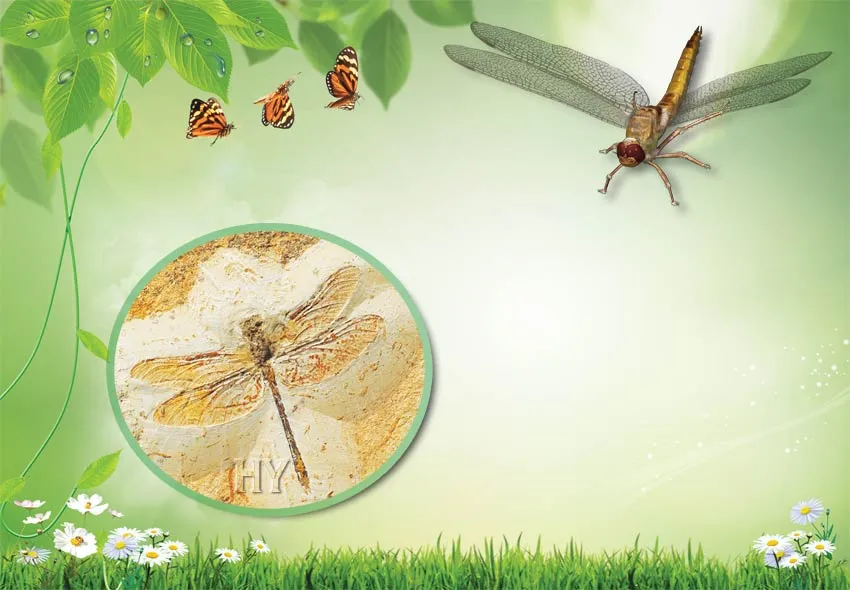
Making a robot that beats its wings is no easy matter. What really defeats scientists is the impossibility of giving that robot the intelligence that makes flight possible. The California University Electrical Engineering Faculty Professor Ron Fearing says,“The good news is we know what the wings need to do. The bad news is we don't know how to do it.”30 Michael Dickinson, a University of California Berkeley Professor of Biology, states that fruit flies beat their wings 200 times per second and use three different mechanisms in order to take off. This lets a fruit fly make a U-turn in the air with just eight wing movements, in as little as 40 milliseconds.31 According to Dickinson, in order to achieve such a level of control, the insect robot at Berkeley can make mistakes only three times, and on the fourth one, it will drop dead. Robert Michelson, the chief engineer at Georgia Technology Research Institute, states how difficult it is to construct a robot that beats its wings for balance and control:
“Until we can do things as well as you find them in creation, you have to go to alternate techniques.”32
Even though humanity possesses formidable technology, intelligence, energy, and financial backing, people still cannot imitate the systems we witness in nature. Marvels of creation that human beings are powerless to replicate show Allah’s matchless creative artistry. Insects of whatever size, large or small, have been able to fly through inspiration from Allah throughout the 250 to 300 million years of their existence on Earth up to the present day. Many insect species we see in nature today even have a flying ability superior to that of birds. The perfection in insects’ wings is one of the proofs of Allah’s immaculate creation.