
Reading time: ~8 min read
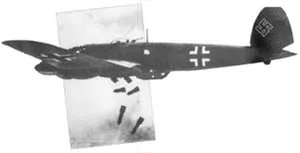
In his book Europe Since 1870 the famous British professor of history James Joll explains one of the factors leading to the outbreak of the First World War as being the belief of the leaders of Europe of the time in Darwinist ideas:
We have seen how Darwinian ideas had a great influence on the ideology of imperialism at the end of the nineteenth century, but it is important to realise how literally the doctrine of the struggle for existence and of the survival of the fittest was taken by the majority of the leaders of Europe in the years preceding the First World War. The Austro-Hungarian chief of staff for example, Franz Baron Conrad von Hoetzendorff, wrote in his memoirs after the war:
Philanthropic religions, moral teachings and philosophical doctrines may certainly sometimes serve to weaken mankind's struggle for existence in its crudest form, but they will never succeed in removing it as a driving motive of the world… It is in accordance with this great principle that the catastrophe of the world war came about as the result of the motive forces in the lives of states and peoples, like a thunderstorm which must by its nature discharge itself."
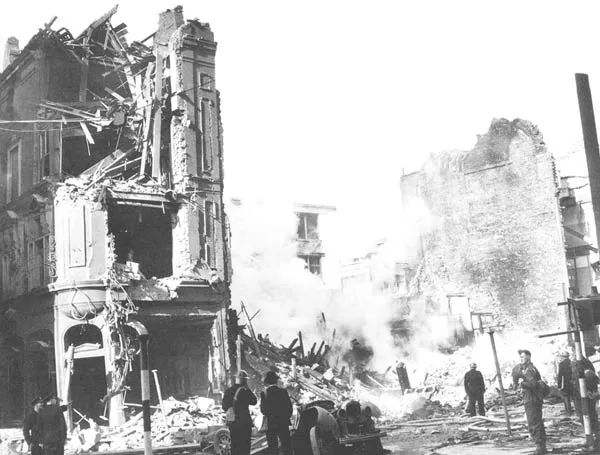
Seen against this sort of ideological background, Conrad's insistence on the need for a preventive war in order to preserve the Austro-Hungarian monarchy becomes comprehensible.
We have seen too how these views were not limited to military figures, and that Max Weber for example was deeply concerned with the international struggle for survival. Again Kurt Riezler, the personal assistant and confidant of the German chancellor Theobald von Bethmann-Hollweg, wrote in 1914: "Eternal and absolute enmity is fundamentally inherent in relations between peoples; and the hostility which we observe everywhere… is not the result of a perversion of human nature but is the essence of the world and the source of life itself."65
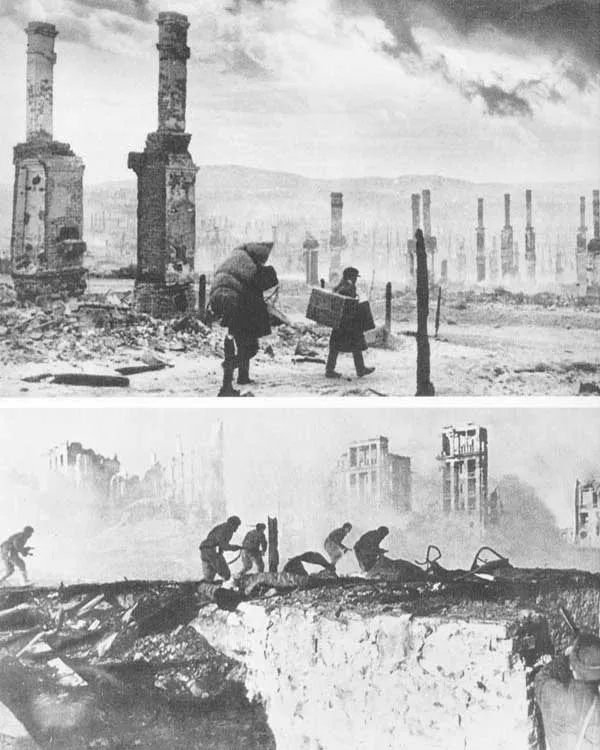
As we have seen, the First World War emerged because of the European thinkers, generals, and leaders who saw waging war, spilling blood, suffering, and inflicting suffering as a kind of "development" and an immutable law of nature. The ideological inspiration which dragged this whole generation to ruin with these completely false ideas was none other than Darwin's concepts of "struggle for life" and "favoured races." Two years after Bernardi said those words, the First World War, which was to bring about biological development (!) began, leaving behind it 8 million dead, hundreds of cities in ruins, and millions of wounded, crippled, homeless and unemployed. The roots of the Nazi war, which started 21 years later and left some 50 million dead, also lie in Darwinism.66
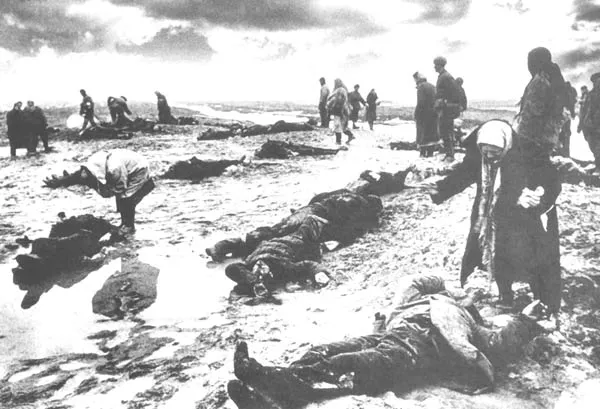
Hitler often used to link his policies of war and genocide to Darwinism. He saw war as not only for eliminating weaker races, but also as a force for disposing of weaker members of the master race. Nazi Germany praised war partly for this reason, because in their twisted thinking war was an essential step for the progress of the race.
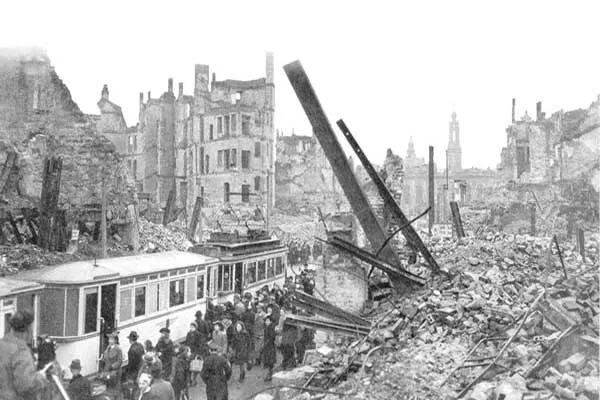
The evolutionist A. E. Wiggam explained "the belief that war develops men," on which Hitler based his policy, in a book published in 1922:
… at one time man had scarcely more brains than his anthropoid cousins, the apes. But, by kicking, biting, fighting … and outwitting his enemies and by the fact that the ones who had not sense and strength enough to do this were killed off, man's brain became enormous and he waxed both in wisdom and agility if not in size ….67
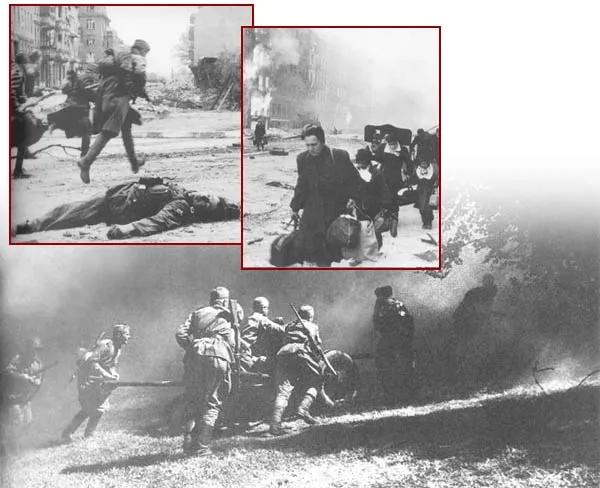
Hitler drew support from evolutionists such as Wiggam and saw war as an obligation for those who wished to survive. He stated this openly in Mein Kampf:
The whole world of Nature is a mighty struggle between strength and weakness–an eternal victory of the strong over the weak. There would be nothing but decay in the whole of nature if this were not so. He who would live must fight. He who does not wish to fight in this world where permanent struggle is the law of life, has not the right to exist. To think otherwise is to "insult" nature. Distress, misery and disease are her rejoinders.68
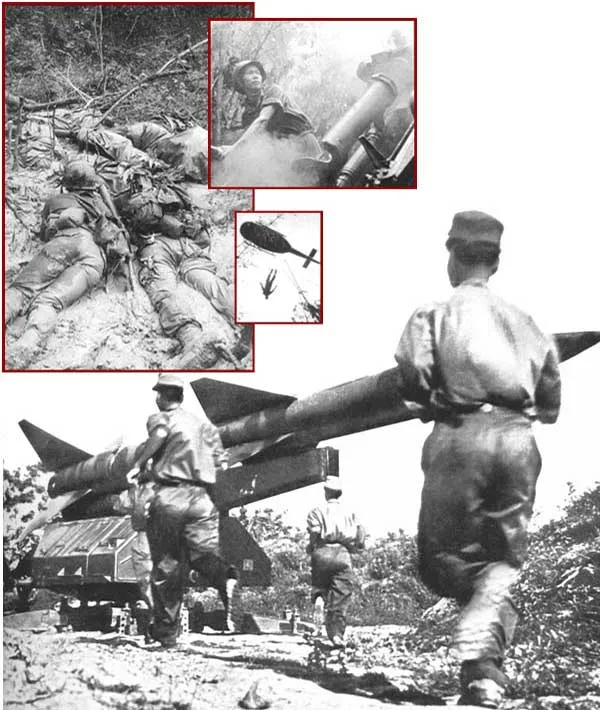
With the Darwinists' claims that the strong remained after the fight for survival and that species developed by this means being adapted to human societies, wars also began to be viewed as a necessity for the development of mankind. For example, Hitler ascribed Germany's greatness to the elimination by war of its weaker members over the centuries. Although the Germans were no strangers to war this new "scientific" justification was a force to back up their warlike policies.
Elsewhere, Hitler had claimed, "human civilization as we know it would not exist if it were not for constant war"69
Haeckel proposed, on the subject of war, that the savage methods of the Spartans, one of the city states that made up Ancient Greece, should be implemented. He wrote that "by killing all but the ‘perfectly healthy and strong children' the Spartans were ‘continually in excellent strength and vigor'."70
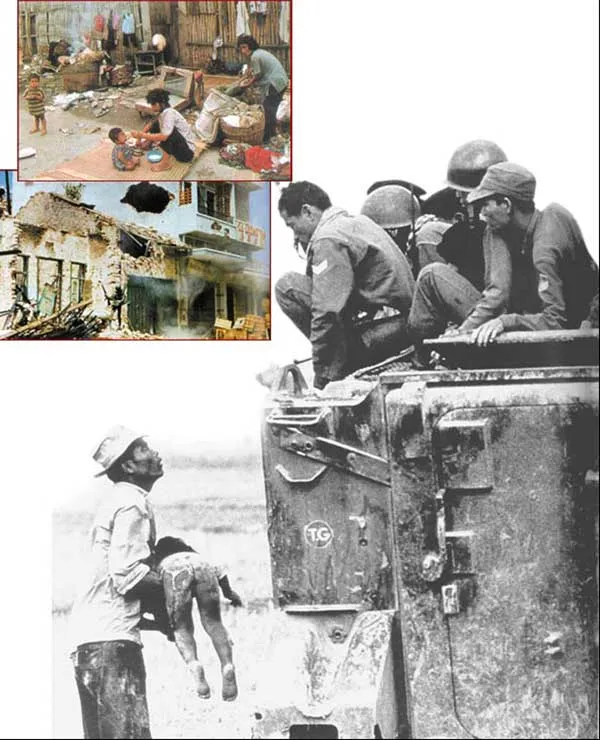
War was viewed as "an indispensable regulator" of populations all over Europe, and not just in Germany. "If it were not for war," German Social Darwinist Friedrich Von Bernhardi writes, "we should probably find that inferior and degenerate races would overcome healthy and youthful ones by their wealth and their numbers. The generative importance of war lies in this, that it causes selection, and thus war becomes a biological necessity."71
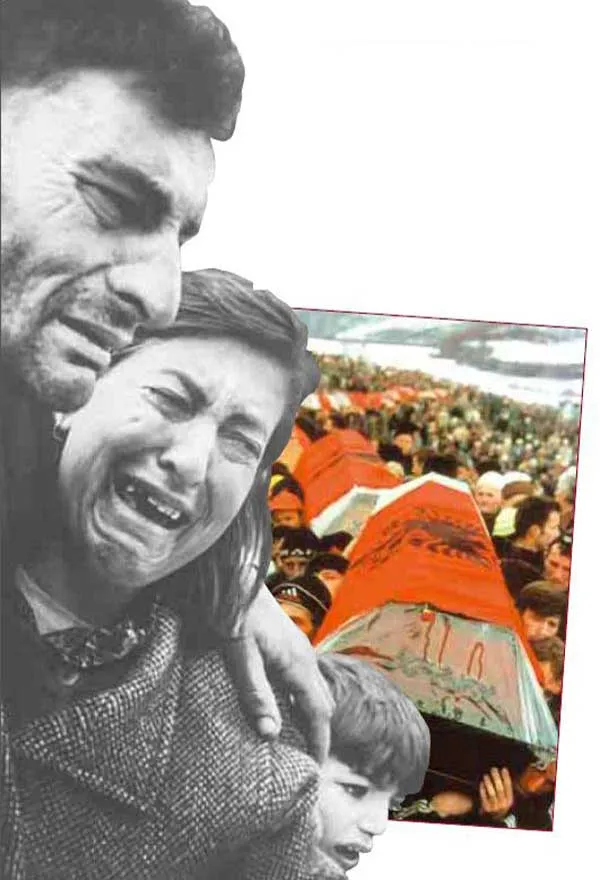
As we have seen from our account so far, Hitler and the Nazi ideologues who supported him saw war as a necessity with the inspiration they drew from Darwinism. And by implementing this necessity they visited various miseries on their own people, and on the other peoples of the world. From this point of view it will therefore be absolutely correct to identify Charles Darwin as one of those primarily responsible for the sufferings experienced in World War II.

Professor Dr. Jerry Bergman demonstrates the effect of Darwinism on the Second World War:
The evidence is very clear that Darwinian ideas had a tremendous impact on German thought and practice… In fact, Darwinian ideas had a tremendous influence on causing WWII, the loss of 40 million lives, and the waste of about 6 trillion dollars. Firmly convinced that evolution was true, Hitler saw himself as the modern savior of humankind… By breeding a superior race, the world would look upon him as the man who pulled humanity up to a higher level of evolution.72
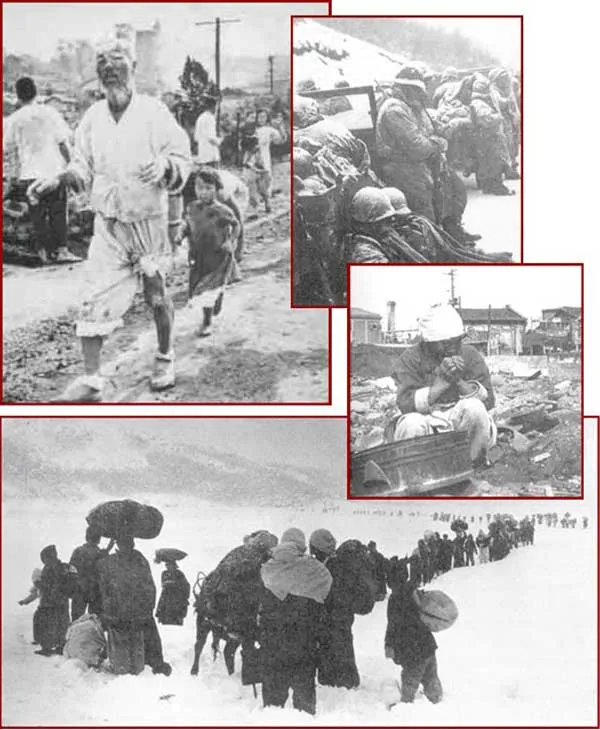
Of course there had been countless wars in the world before Darwin put his theory forward. But due to the effects of his theory, war was for the first time given a false approval by science. Max Nordau drew attention to Darwin's negative role in the subject of wars in an article called The Philosophy and Morals of War, which made waves in America:

The greatest authority of all the advocates of war is Darwin. Since the theory of evolution has been promulgated, they can cover their natural barbarism with the name of Darwin and proclaim the sanguinary instincts of their inmost hearts as the last word of science.73
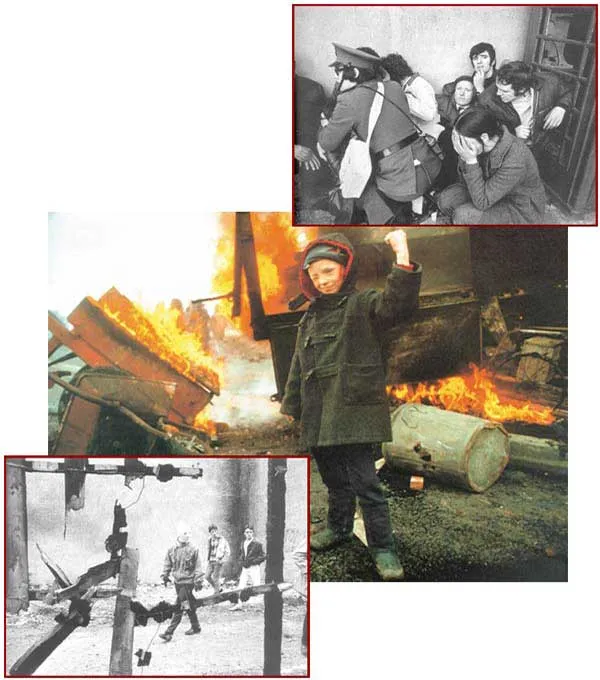
It was no coincidence that the 20th century should see the bloodiest wars the world has known, coming as it did after the 19th century, which was formed by the ideas of such materialist ideologues as Darwin, Marx, and Freud. Darwinism had prepared the theoretical and so-called scientific ground which would end in war, and the despots who saw war as indispensable for the growth of humanity killed a total of 60 million people in both world wars.
There are only grounds against those who wrong people and act as tyrants in the earth without any right to do so. Such people will have a painful punishment. (Surat ash-Shura: 42)