

Reading time: ~2 min read
This branch of science studies the developmental stages between the zygote phase that results from the fertilization of a living thing right through to birth. However, the concept of embryology is mostly used to describe a branch of biology that studies the development of animal embryos.
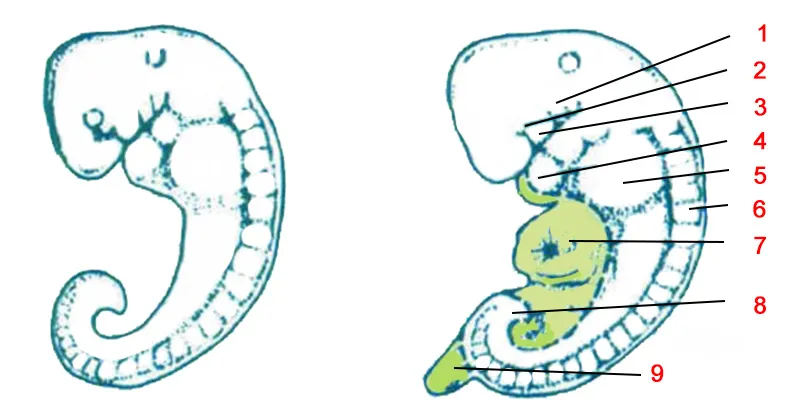
Until the 18th century, embryology was based more on speculation than on facts. The reason was that genetics had not yet been discovered, and the cell had not as yet been described. In general terms, the theory at that time was that initially, all of an animal’s organs were in a miniaturized state and only needed to open up and develop, like the petals of a flower. Many naturalists maintained that this initial state existed in the reproductive cells of a woman’s, ovary. This theory, proposed long before by Aristotle, maintained that the individual’s specialized structures developed gradually from non-specialized ones previously in the egg.137 But following the discovery under the microscope of sperm, the male reproductive cell, some scientists developed the hypothesis in 1677 that sperm carried the fertilizing agent.
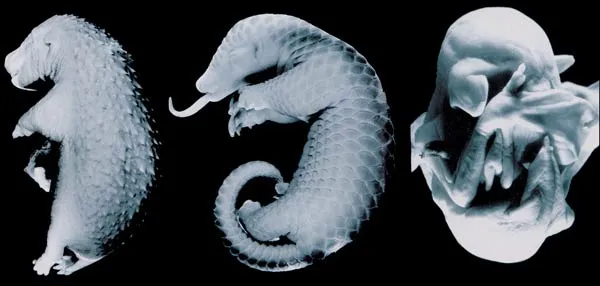
Subsequent research in the field of embryology was largely put forwards as evidence for evolution. But with the realization, that drawings and interpretations produced were fake, the situation was reversed, and embryological studies demonstrated that living things are created with a perfect system with mutually compatible components. (See Embryological evolution below, also Recapitulation.)